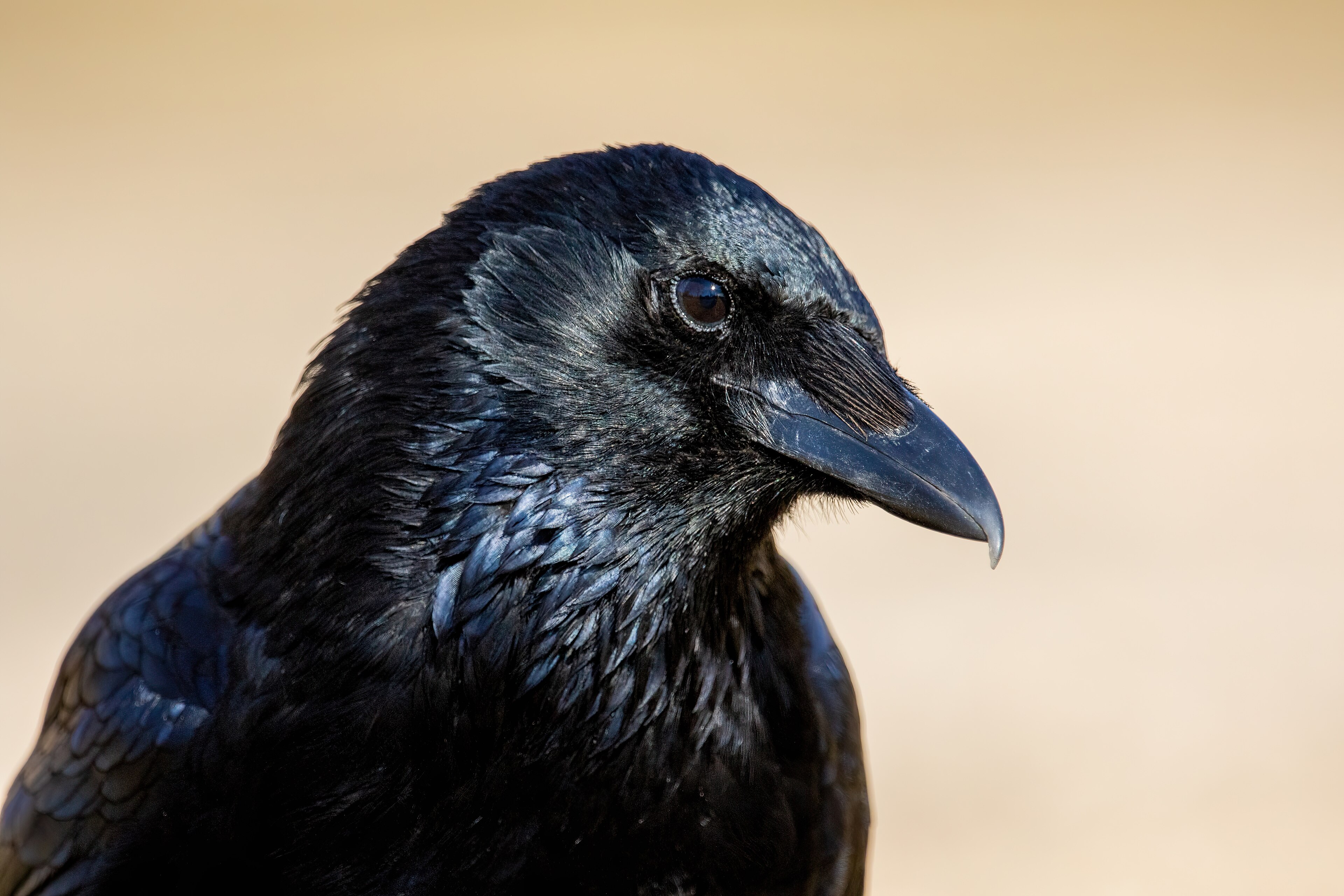
Close portrait of a crow, feathers glossed blue-black
A Counter-Observation Journal

Secret Lives
of Birds

Birds have been monitoring us for thousands of years. We're finally monitoring back.

Monitor Them Back

“There is grandeur in this view of life, with its several powers, having been originally breathed into a few forms or into one; and that, whilst this planet has gone cycling on, from so simple a beginning endless forms most beautiful and most wonderful have been, and are being, evolved.”

Charles Darwin
The Premise

For thousands of years, birds have been monitoring us. It's time we monitored them back.

Naturalists like Darwin got a head start. He's best known for the theory of evolution, which is honestly the least interesting thing he ever did. Mostly the man watched birds. Closely. Very, very closely. What follows are the drawings and observations of these humble observers. Now it's our turn.

Subject File No. 51

Anna's
Hummingbird

Calypte anna

Overview Appearance Behavior Habitat Voice Range

Fiercely territorial, dazzling in the right light, and fully aware you're looking.

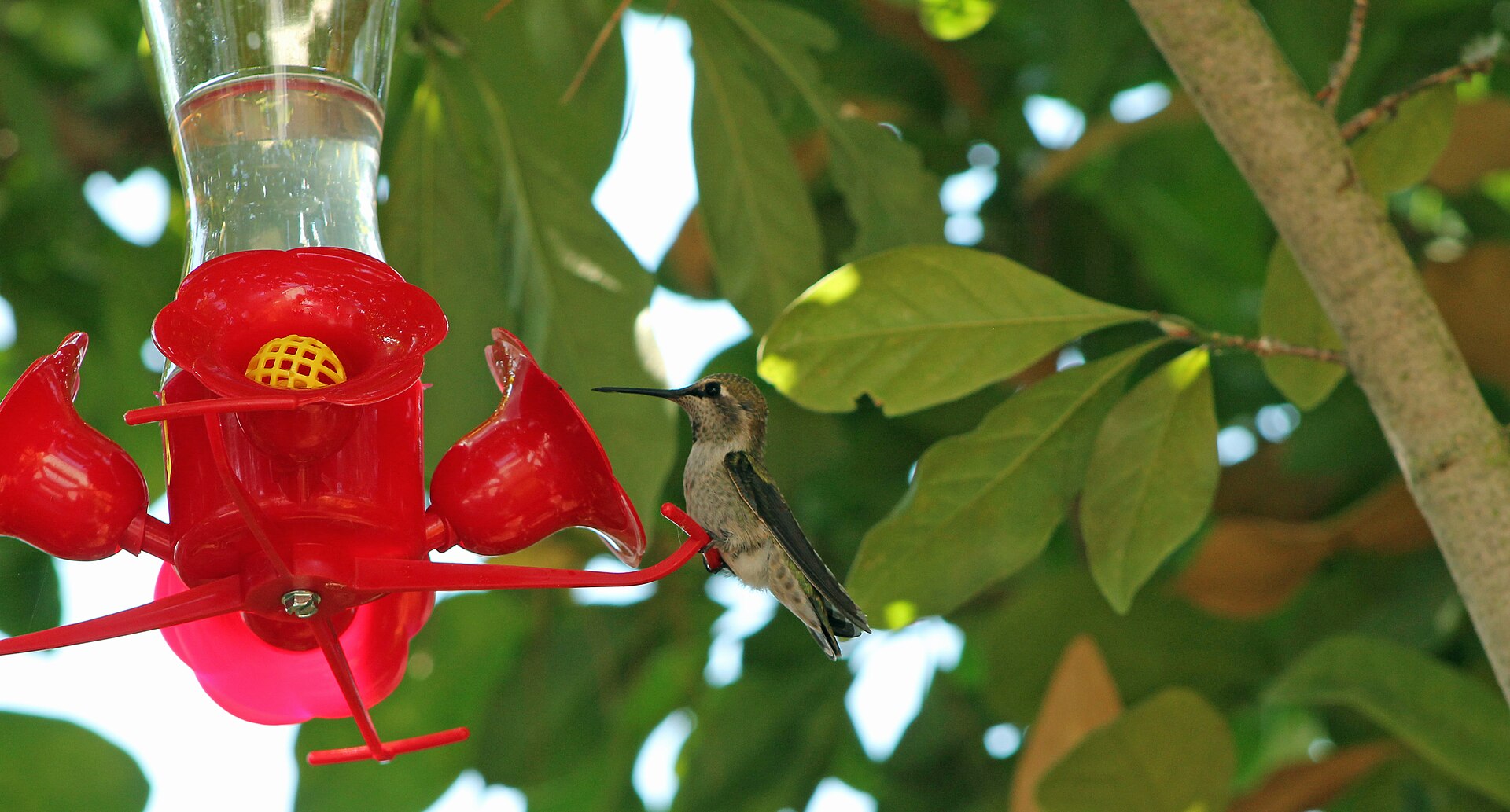
The male Anna's Hummingbird is one of the first birds I ever watched closely, a flash of iridescent magenta in the winter light of northern California. He defended his perch with the zeal of a general and the beauty of a poet.

Unlike most of its family, it does not flee the cold. It winters where others will not, singing a thin, scratchy song from the bare tops of the winter garden.

Length9–10 cm
Wingspan12 cm
Weight4–5 g
View Gallery
Male Anna's Hummingbird photographed in Sonoma, California
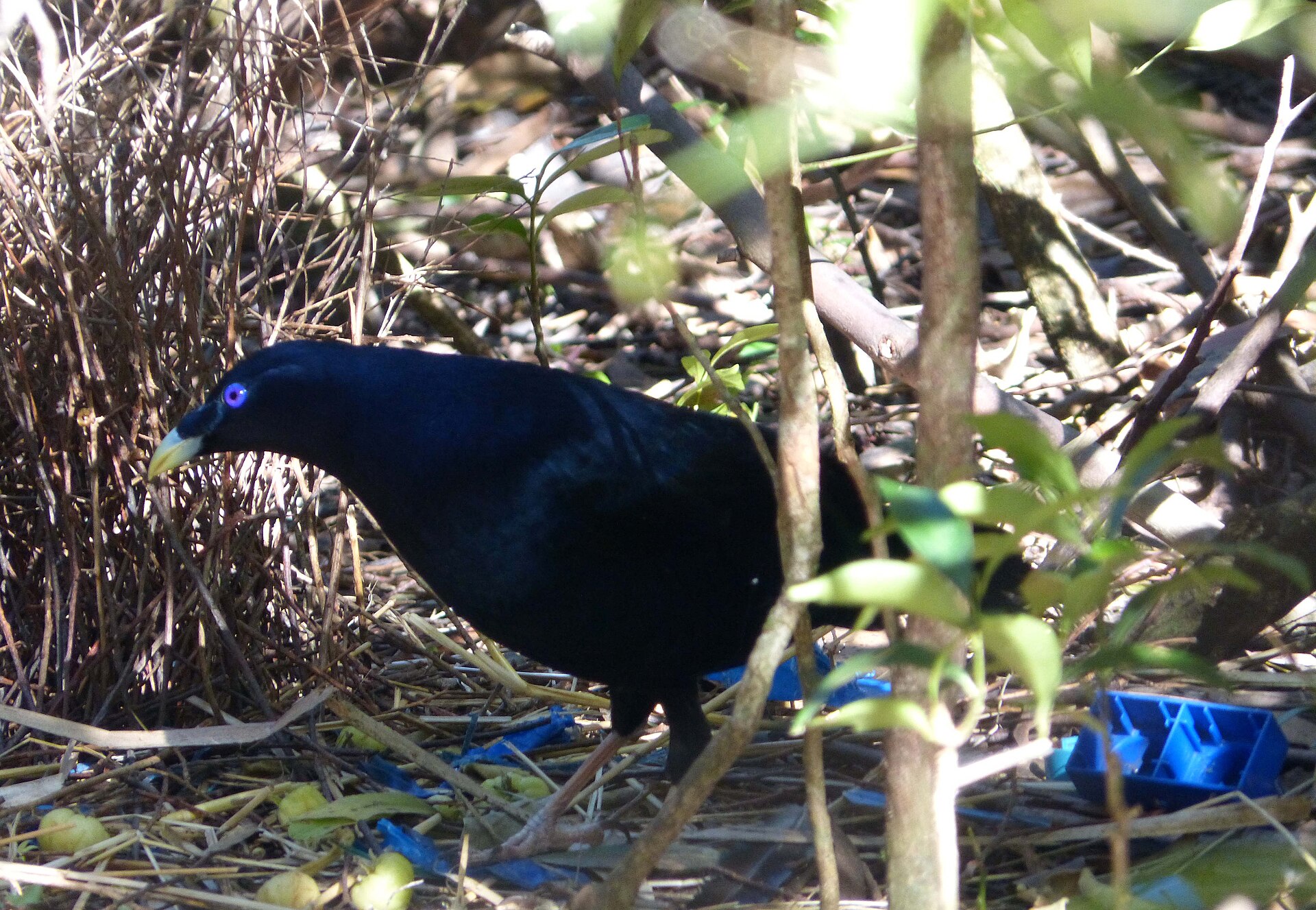
A male satin bowerbird at his decorated bower
Observation No. 27

Courtship of
the Bowerbird

Ptilonorhynchus violaceus

Monitor Subject

He collects not for need, but for beauty. A devotion to blue. A stage in the forest cleared, swept, and adorned. And she, the quiet critic, decides. Meanwhile, up in the branches, something has noticed that you stopped to watch too.

01 02 03 04
Field Notes

Notes from
the Journey

May 12, 1832

The mockingbirds here surpass our European thrushes in both vigor and voice.
May 20, 1832

Observed a singular finch with a curious beak. Perhaps a clue to adaptation?

June 3, 1832

Crossed the Pampas. Clouds of birds on the wing. Life in motion.

June 18, 1832

A hummingbird held still against the wind, and for a moment the whole world held still with it.

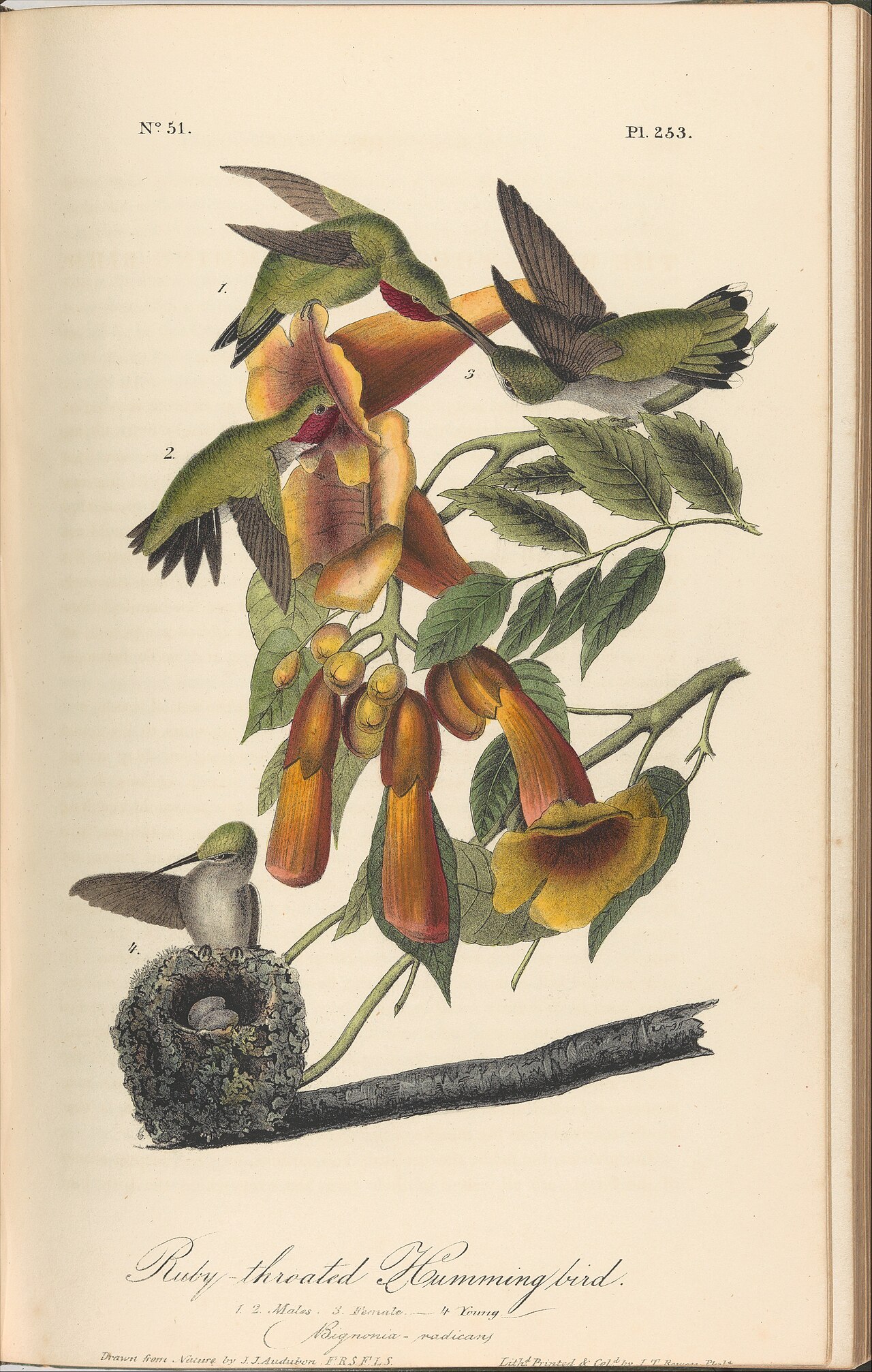
Hand-coloured plate of the Ruby-throated Hummingbird from Audubon's Birds of America
Plate 253. Ruby-throated Hummingbird, drawn from nature by J. J. Audubon, Birds of America, 1840.
The Humble Observers

Drawn from Nature

Before cameras, there was the patient hand and a very committed pair of eyes. Audubon, Gould, Darwin: humble observers who would stake out a single bird for a lifetime. Consider these hand-coloured plates their surveillance files. We keep them here in gratitude.

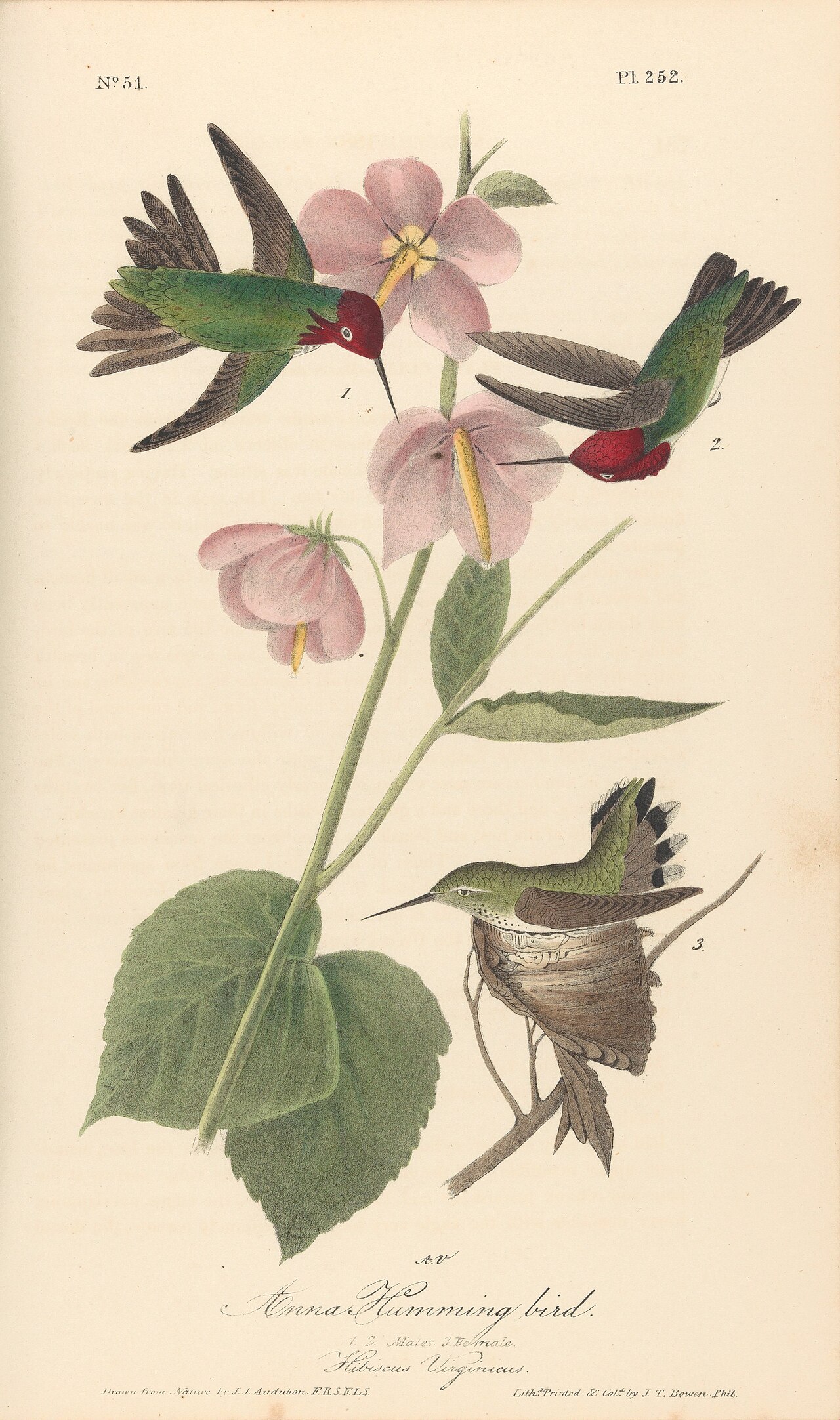
Audubon's plate of Anna's Hummingbird
Anna's Hummingbird
J. J. Audubon · Pl. 252 · 1840
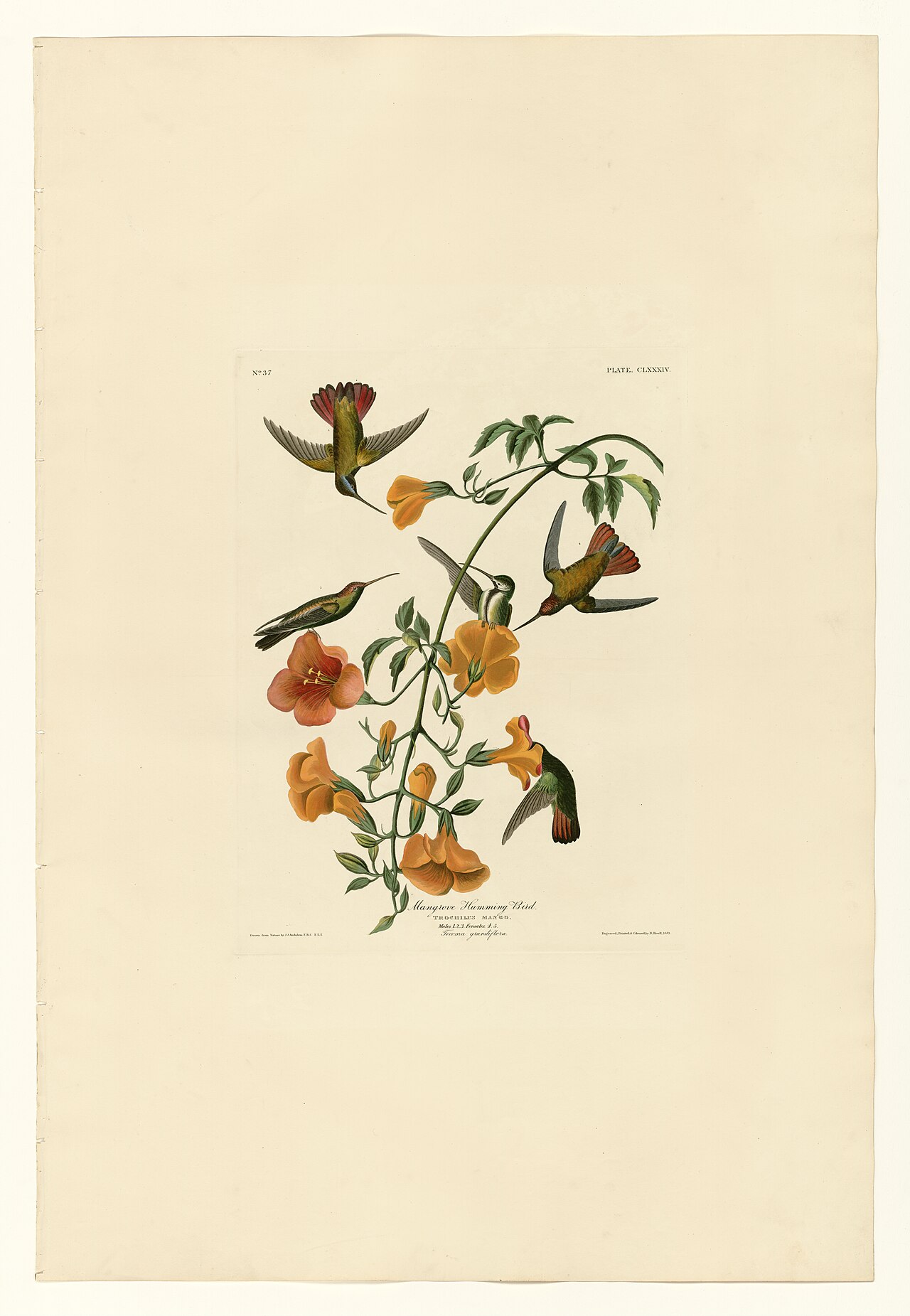
Audubon's plate of the Mangrove Hummingbird
Mangrove Humming Bird
J. J. Audubon · Pl. CLXXXIV · Havell ed.
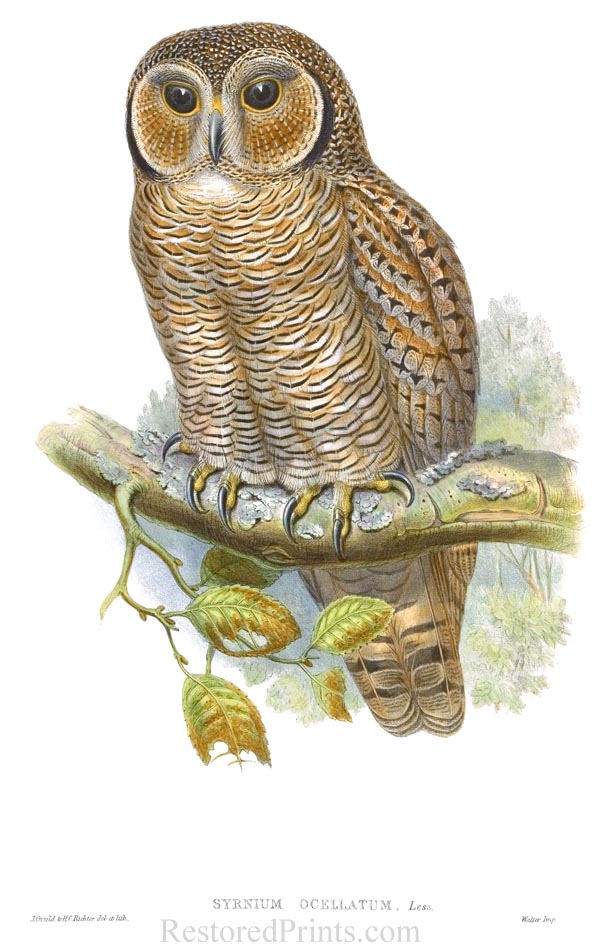
John Gould's lithograph of the Spotted Wood Owl
Spotted Wood Owl
J. Gould & H. C. Richter · Birds of Asia
Audubon's plate of the Ruby-throated Hummingbird
Ruby-throated Hummingbird
J. J. Audubon · Pl. 253 · 1840
“How infinitely various are the creatures which inhabit this world!”
Charles Darwin About the Project
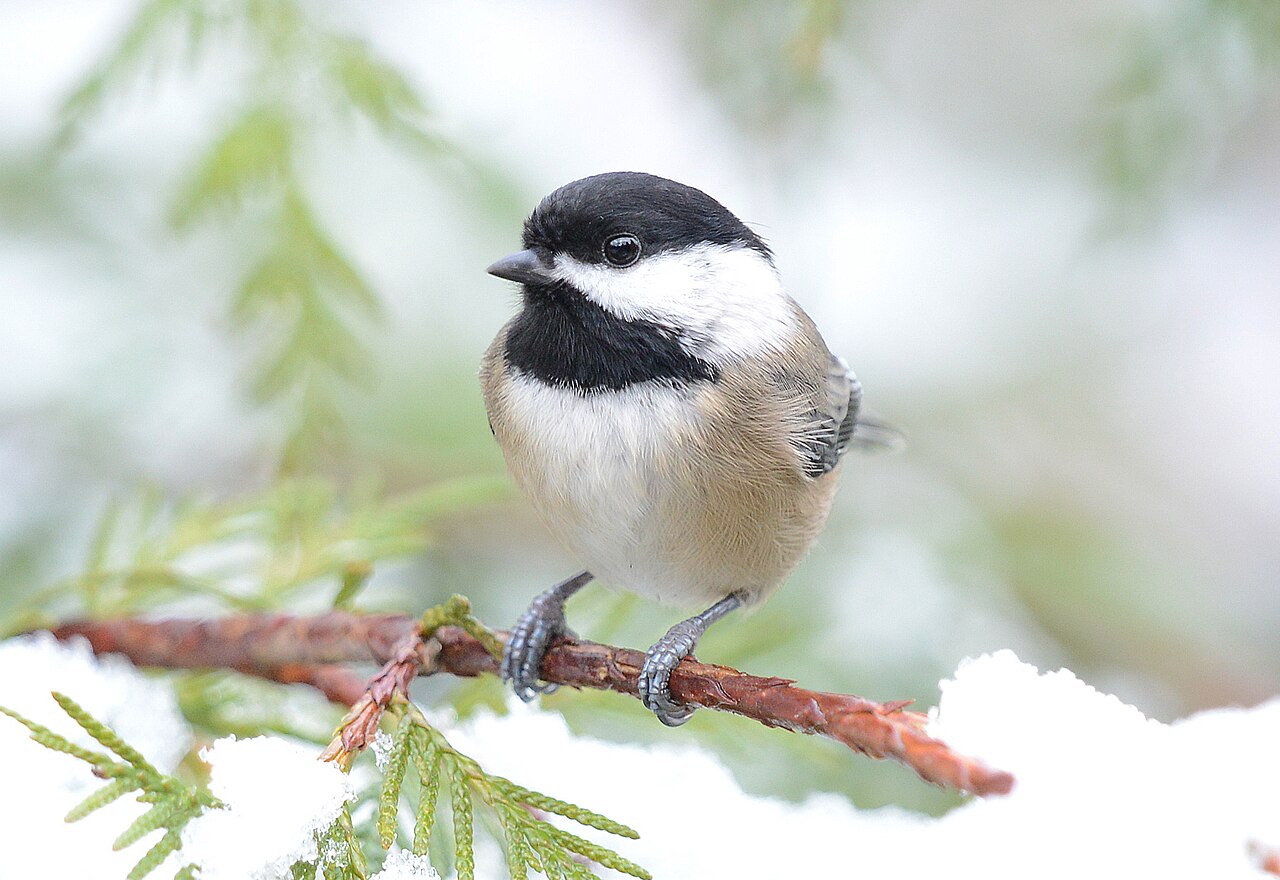
A black-capped chickadee perched on a lichen-covered branch
Journal / May 28, 1832

On the Instincts
We Rarely See

Birds conceal more than they reveal. Their instincts (architects, navigators, mourners, performers) are written in behaviors so subtle we often mistake them for nothing at all.

To watch a bird for a full hour is to be humbled. The preening is not vanity; it is maintenance of the only machine that will carry it a thousand miles. The song is not idleness; it is a map, a warning, a courtship, a name.

We built this journal to slow the looking down, to sit with one bird, one plate, one morning of field notes, until the secret life begins, faintly, to show itself. And the whole time, from the wire and the eave, they are monitoring us right back.

Read Essay
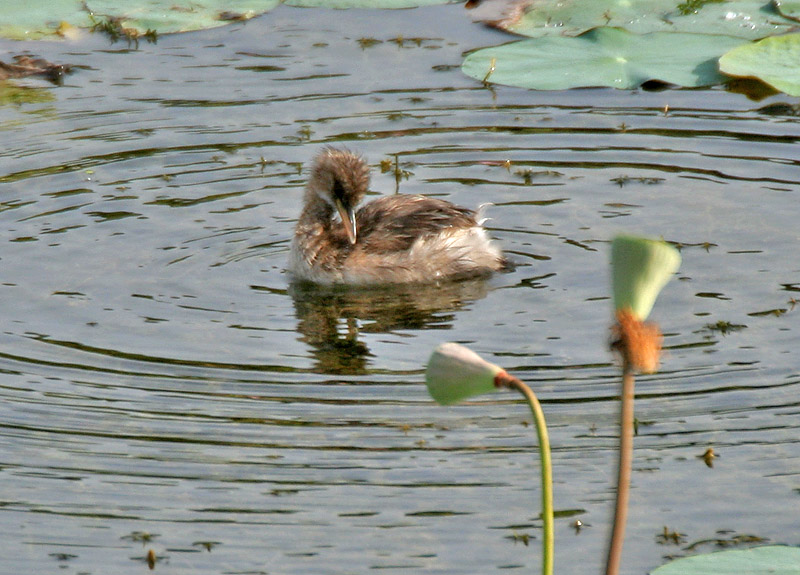
A little grebe preening on still water, reflected below